Rebuilding a Market for Regional Montana Wool
Coarse Wool and the Wool Industry
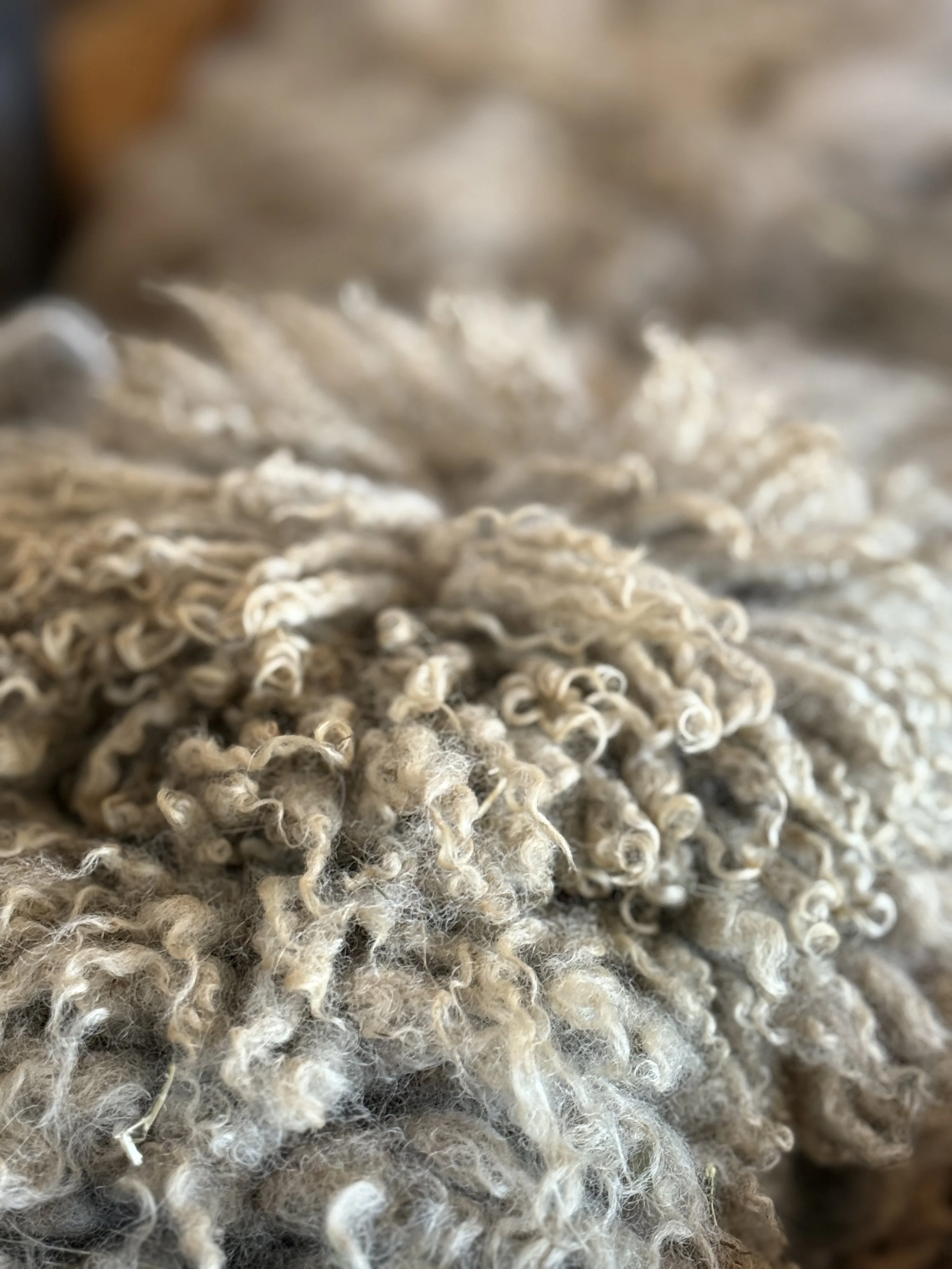
There is a kind of wool that is durable, lustrous, and remarkably versatile.
It has body and structure. A lovely sheen that catches light. It holds shape. It wears beautifully. It is resilient by nature.
In the wool industry, it is called coarse wool — meaning it is not suitable for next-to-skin garments. It doesn’t become the soft sweater or lightweight scarf demanded by fast fashion.
But what makes it unsuitable for clothing makes it exceptional for interiors.
This regional Montana wool grows on thousands of sheep every year — steadily, faithfully — on animals raised for land stewardship, meat production, and grazing open country. The sheep move across pastures, regenerating soil and tending landscapes that cannot be cultivated in other ways.
Every spring, they grow a new fleece.
And every spring, that fleece is shorn because it must be.
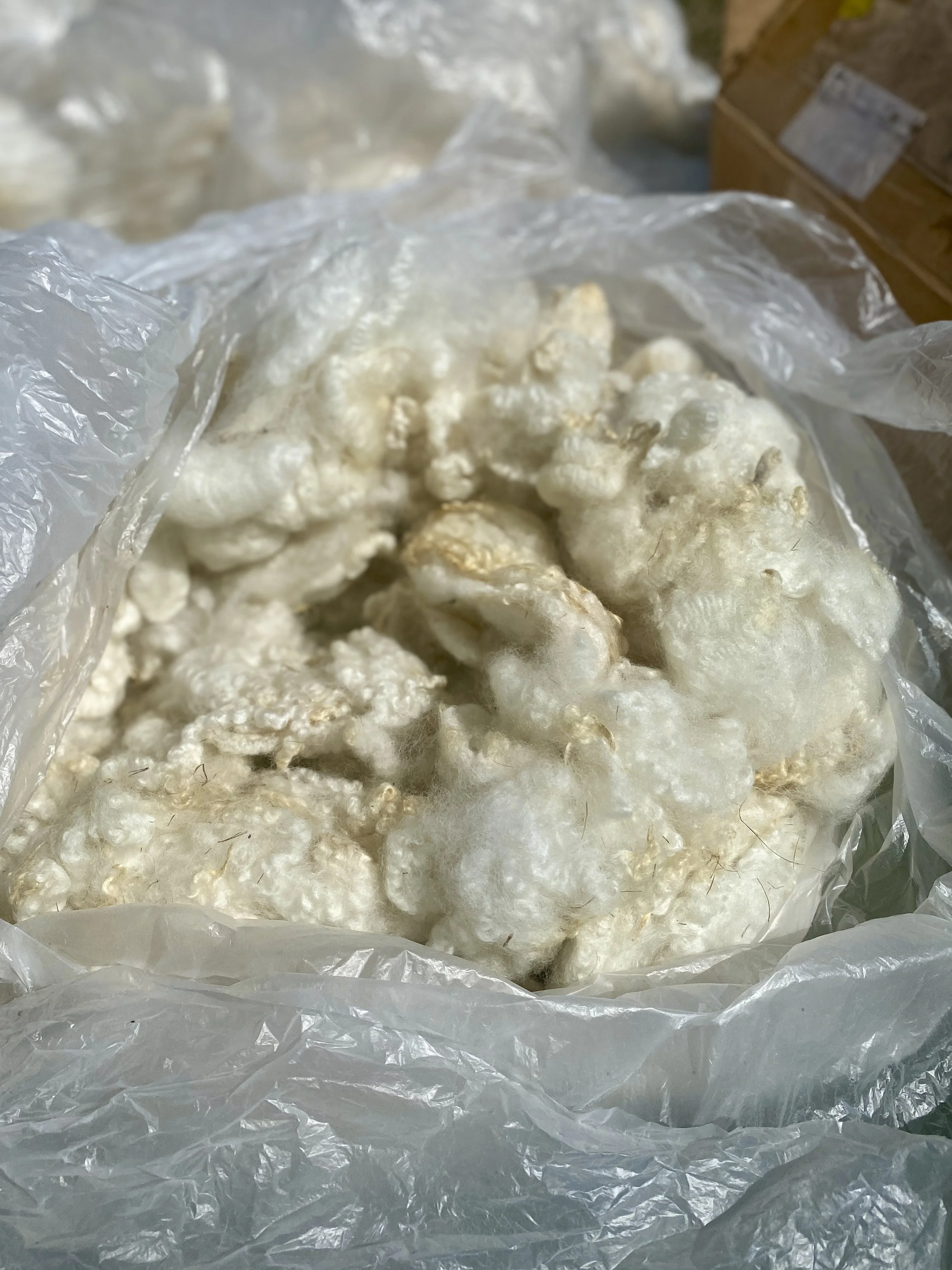
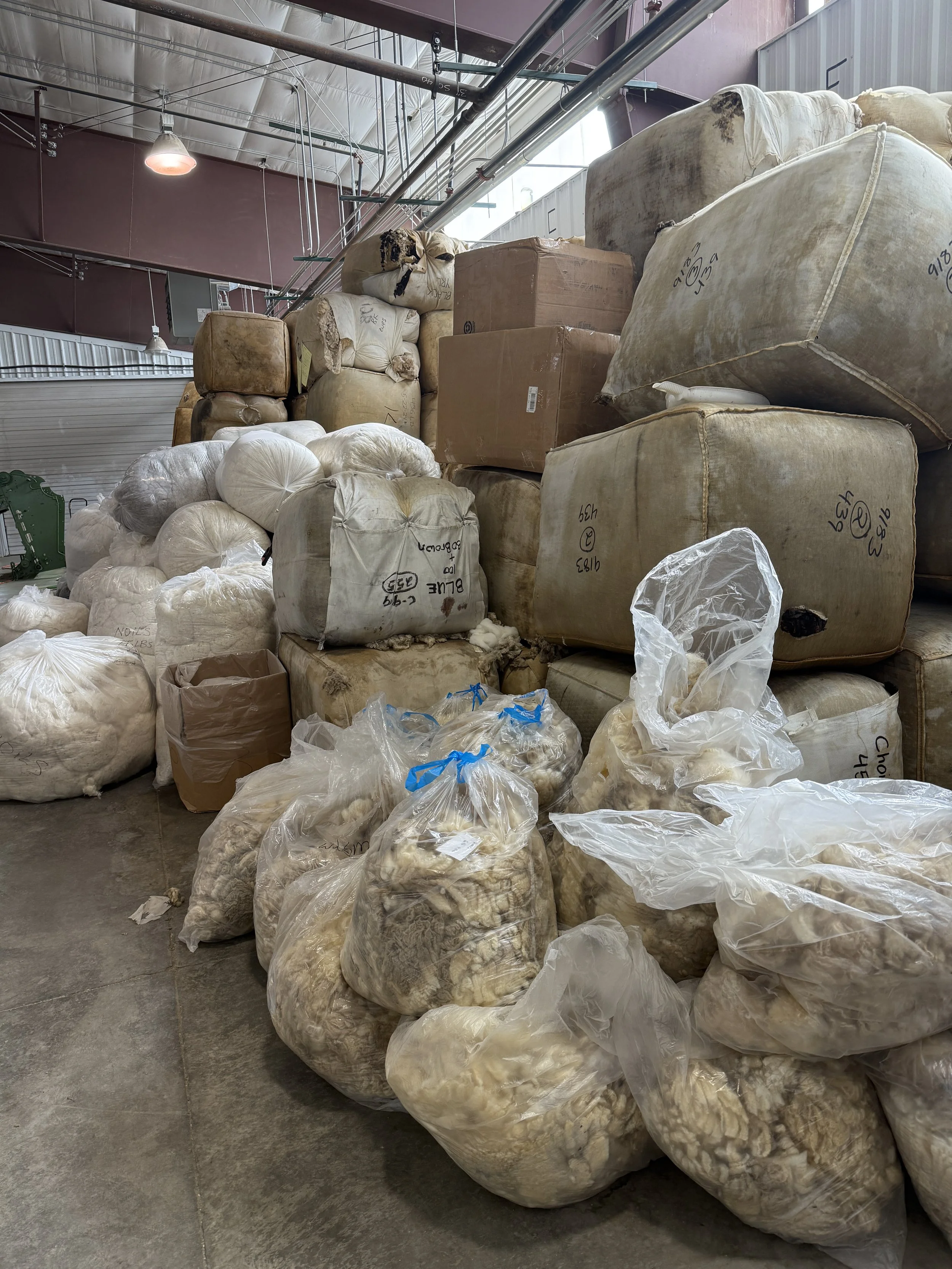
But once it comes off the animal, this sustainable wool fiber often has nowhere meaningful to go.
Why Regional Wool Lost Its Market
Montana wool — and much of Western wool — does not fit modern global textile systems.
It is:
Too coarse for fast fashion.
Too variable for mass industrial production.
Too regionally specific for commodity pricing structures.
Modern textile supply chains reward uniformity, softness, and scale. Mills built for synthetic blends and superfine fibers are not designed to handle textured, structurally strong wool grown for durability.
So this wool sits.
It may be sold for very little return to the rancher.
It may be downgraded.
Sometimes, it is discarded.
And yet it is renewable.
Biodegradable.
Grown with sunlight, grass, and water.
It is a material with inherent integrity — considered economically irrelevant.
That reality stayed with me.
Montana Wool and the Landscape
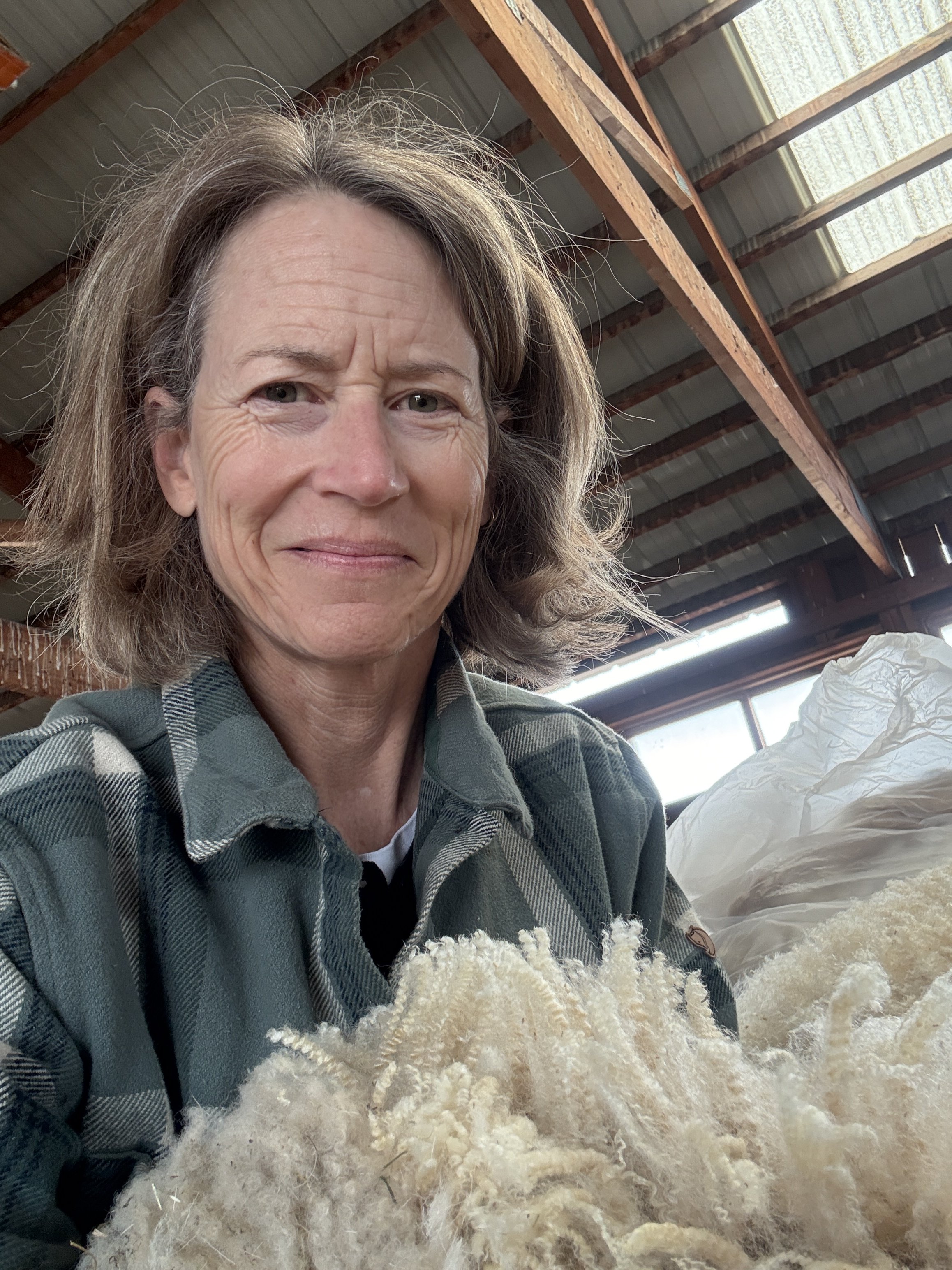
I live in Montana, where sheep are still part of the working landscape. You see them across open pasture beneath wide skies, grazing land that would otherwise go unused. Their presence supports agricultural economies and rural communities that are increasingly fragile.
Every year, they produce wool.
And for many ranchers, that wool has no viable domestic market.
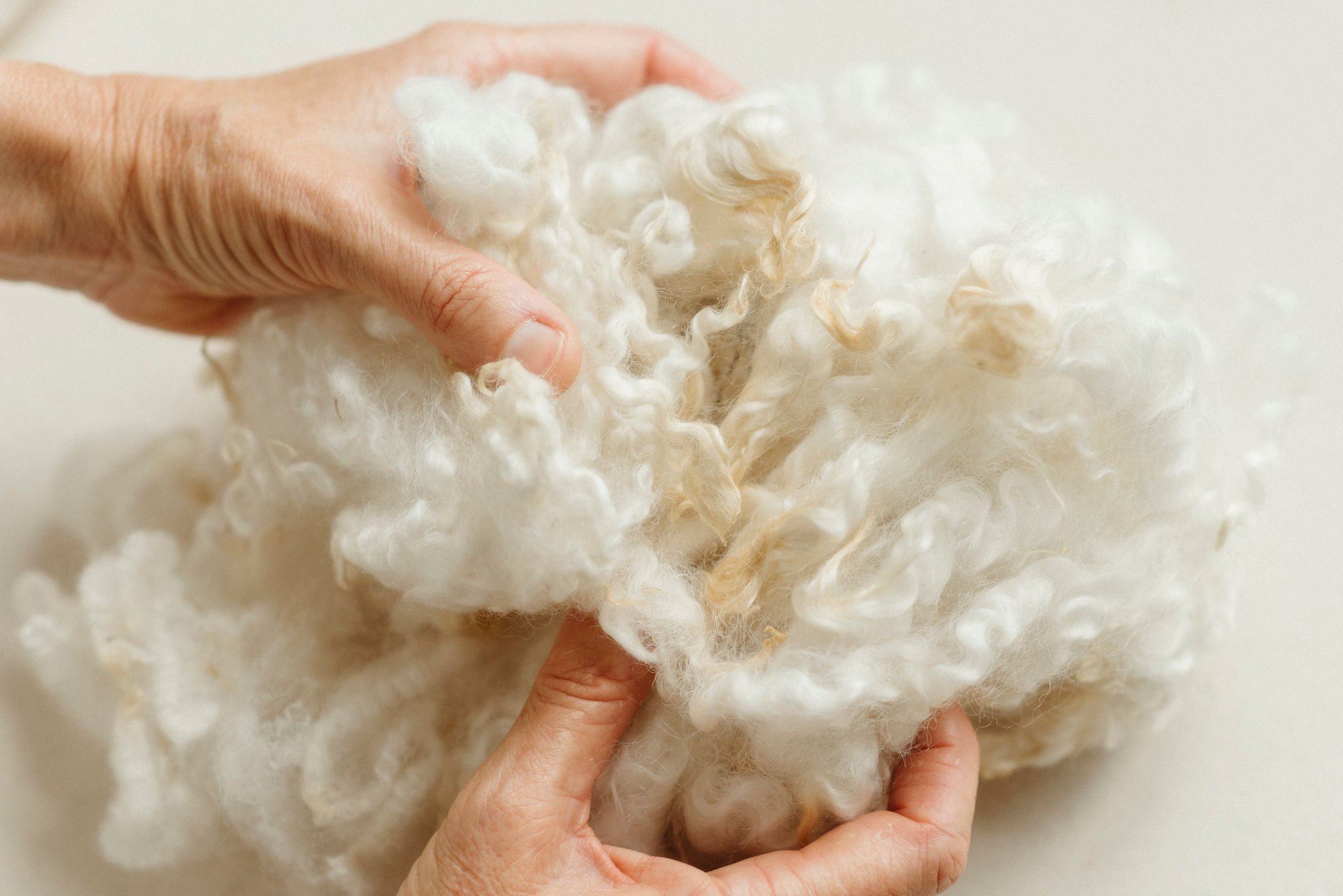
To hold raw fleece in your hands — lanolin-rich, sun-warmed, carrying the scent of pasture — is to understand its value immediately. It is strong. Substantial. Full of potential.
The question is not whether it has worth. The question is whether we choose to recognize it.
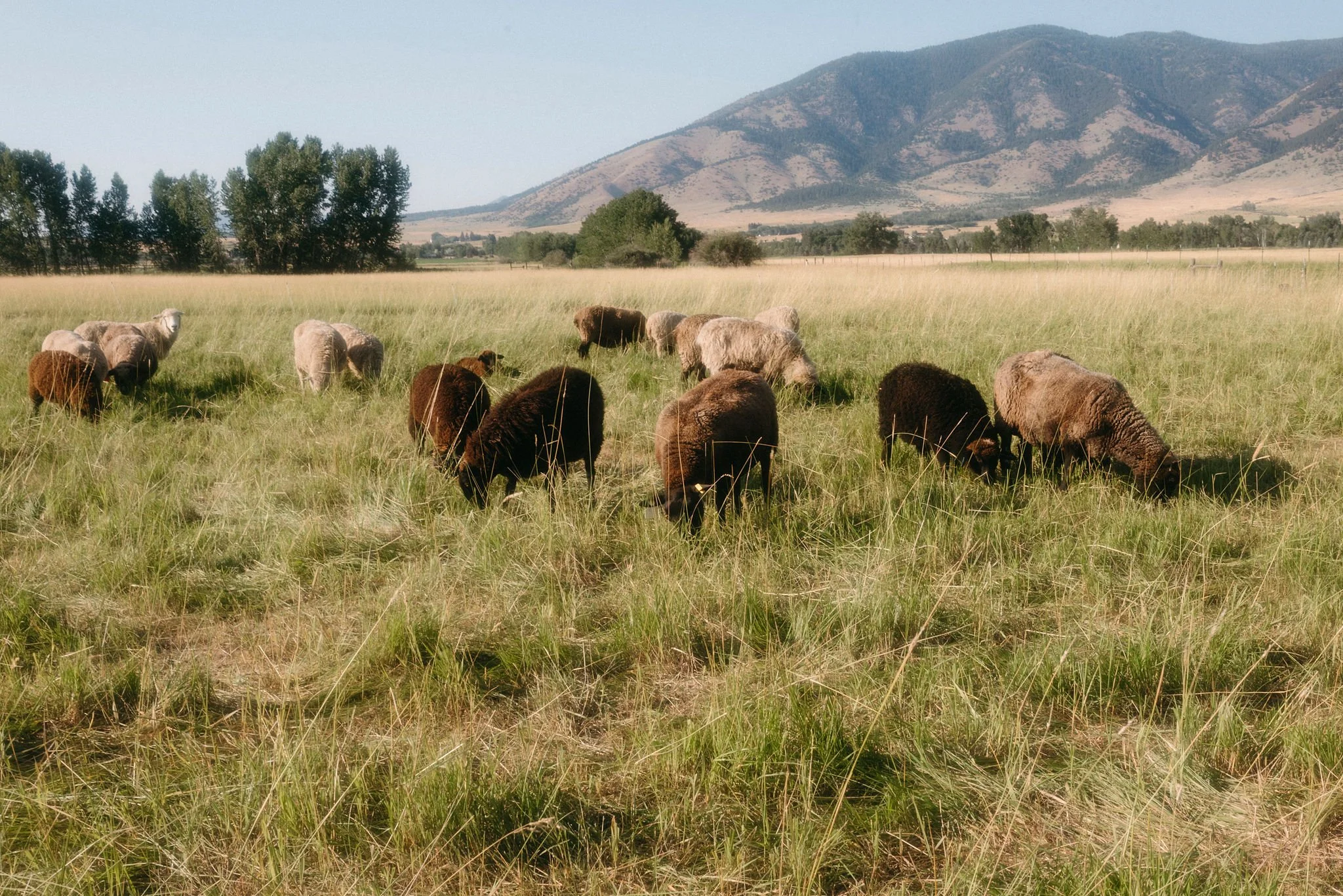
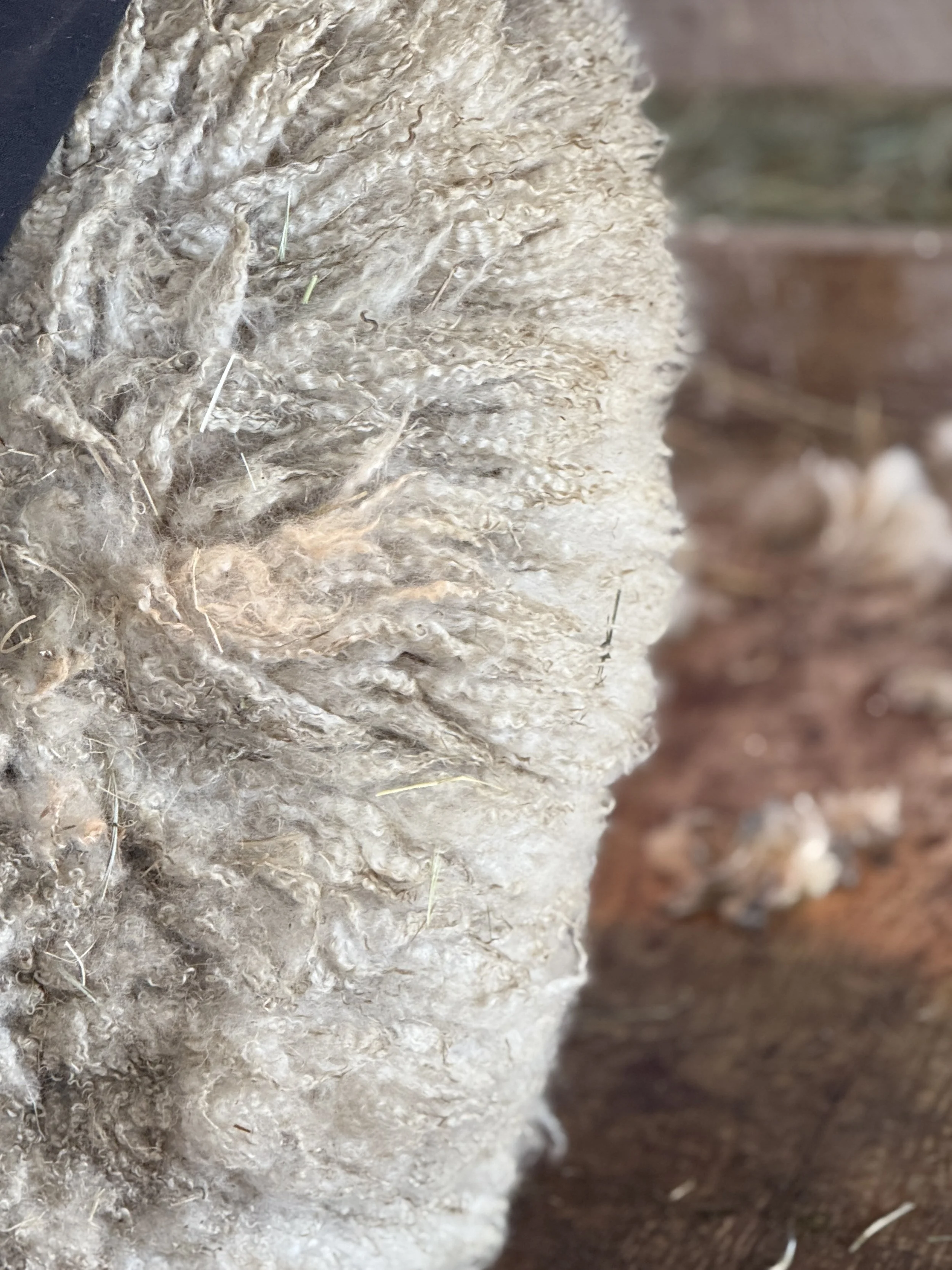
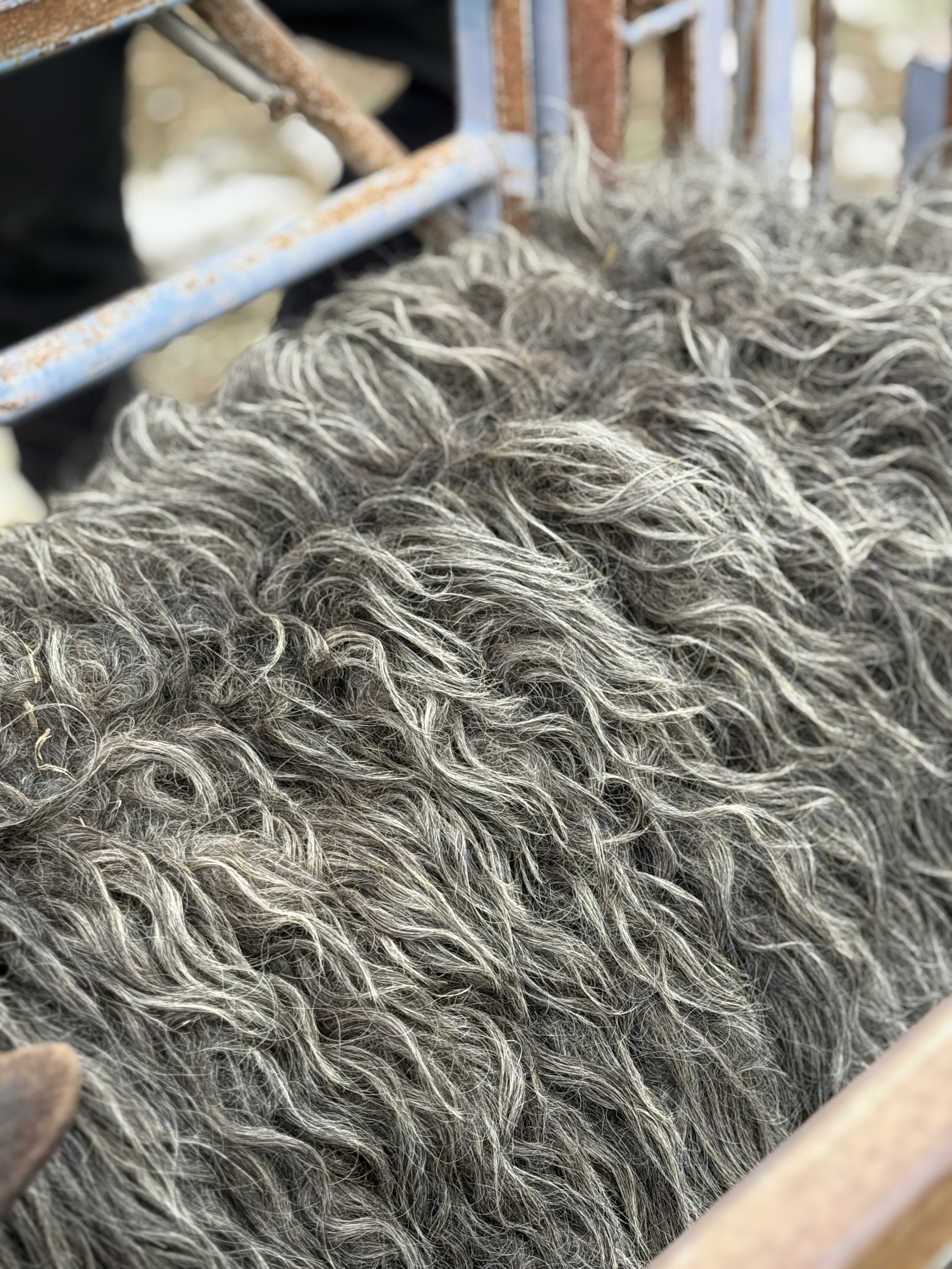
Romney and Karakul sheep grazing in the Gallatin Valley.
Building Sustainable Wool Textiles Through Small Batch Production
Bellwether begins with a simple question:
What would happen if we built a market for the wool that was overlooked?
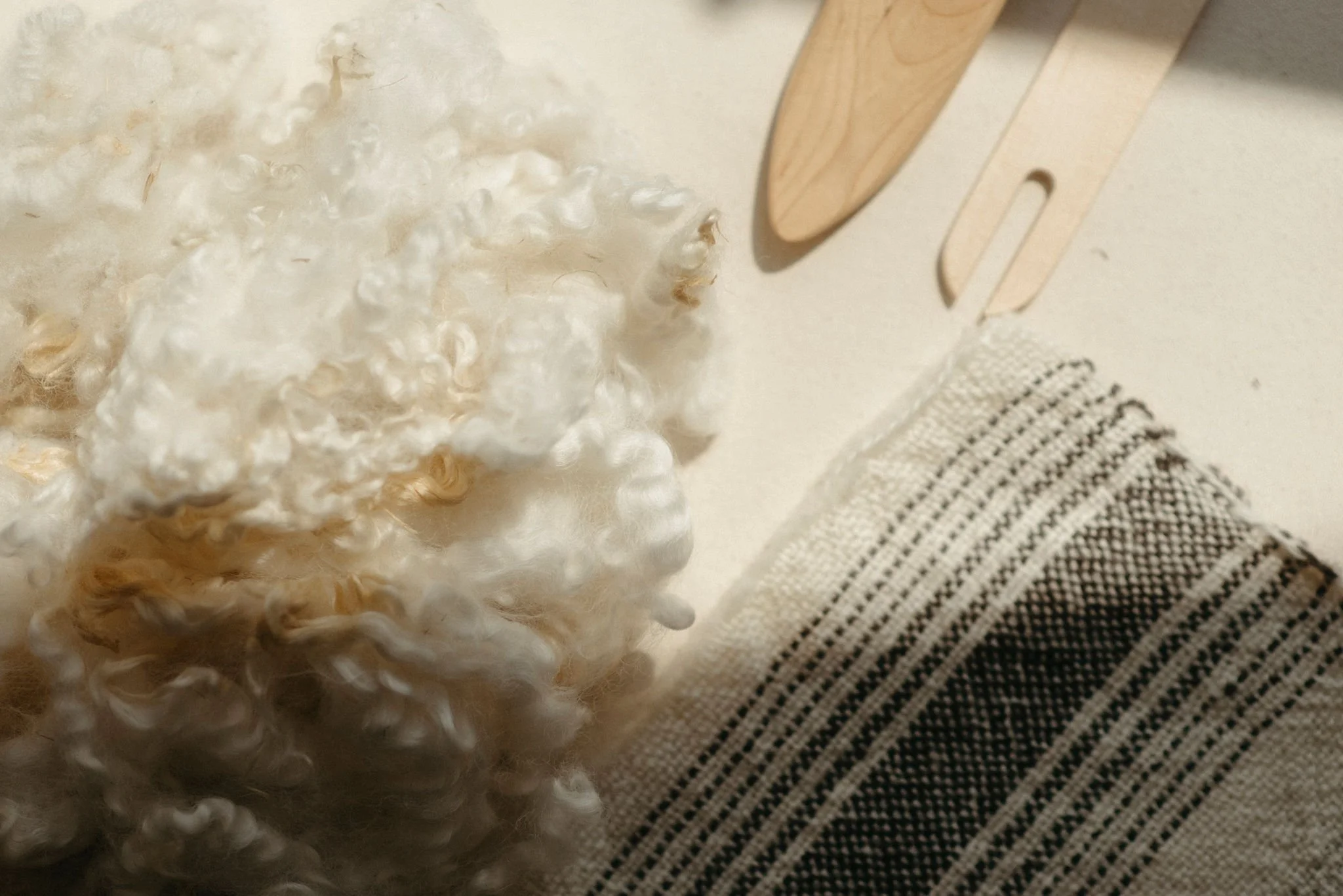
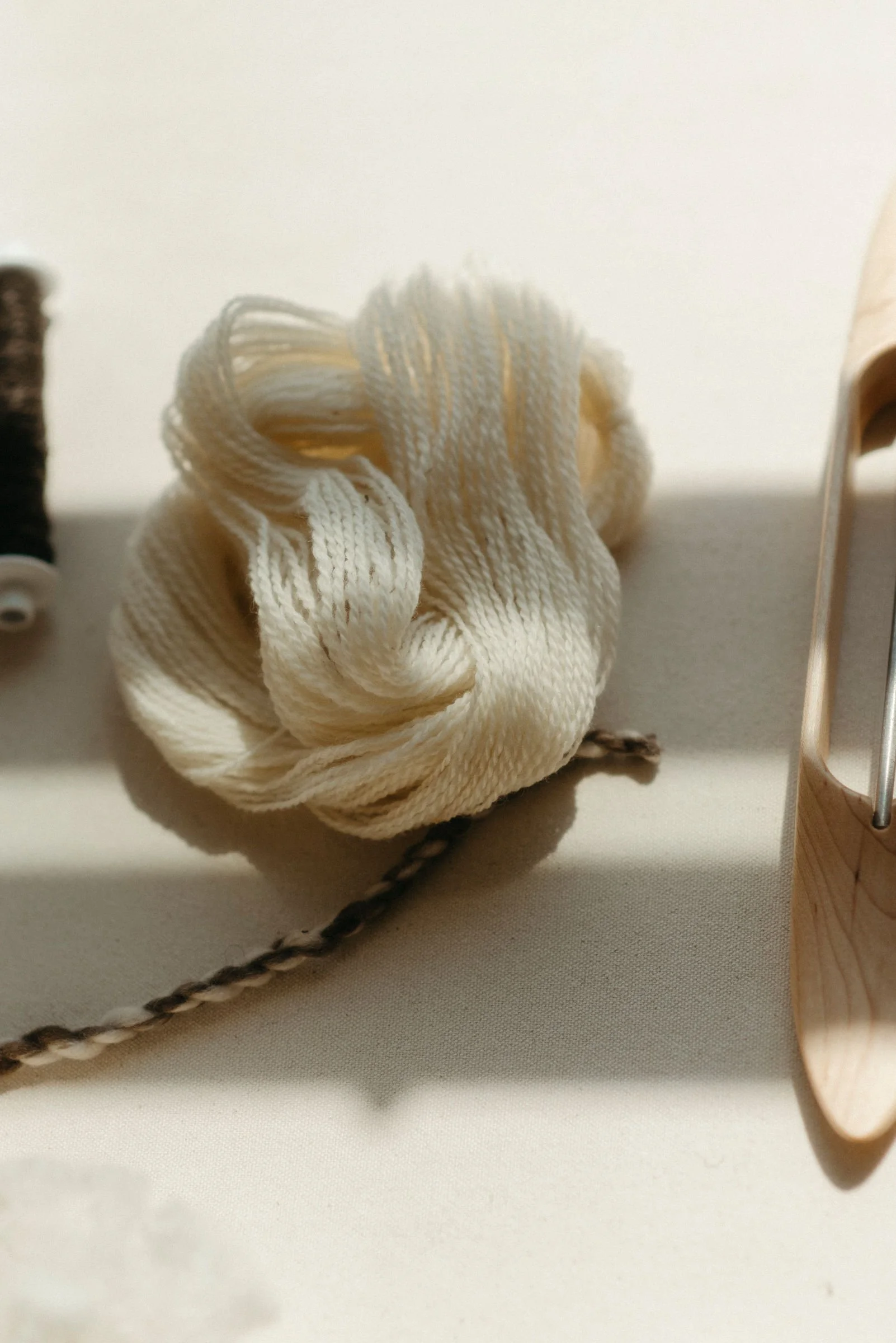
Through small batch production, regional wool can become handwoven yardage, structured pillows, and textiles designed for longevity in the home. Its durability — once considered a limitation — becomes its advantage.
Coarse wool is not a flaw.
When we build sustainable wool textiles around regional fiber, we do more than create beautiful interiors. We:
Support local ranchers
Strengthen domestic wool processing
Preserve artisan knowledge
Reduce reliance on synthetic imports
Rebuild small manufacturing ecosystems
Markets are built. They are not inevitable.
Bellwether exists to help rebuild this system — slowly, deliberately, one length of cloth at a time.