
The Hidden Impact of the Materials We Live With
by Lisa Rickenbaugh
There’s been a growing awareness over the past decade about sustainability — especially in the apparel industry. Things are changing, little bits at a time.
But home textiles have largely remained outside of that conversation. And yet, they surround us.
It’s the pillow you lean into at the end of the day, the upholstery you sit on, and the blanket you reach for without thinking.
Most of them are made from synthetic fibers — petroleum-based materials, often combined with chemical finishes and dyes designed for efficiency, not longevity.
It’s become the default. It’s easier to produce, easier to scale, and easier to sell.
Over time, that ease has reshaped the entire system.
Natural fibers have been pushed to the margins. Domestic processing has thinned or disappeared. And the materials we live with have become increasingly disconnected from where they come from — and where they go.
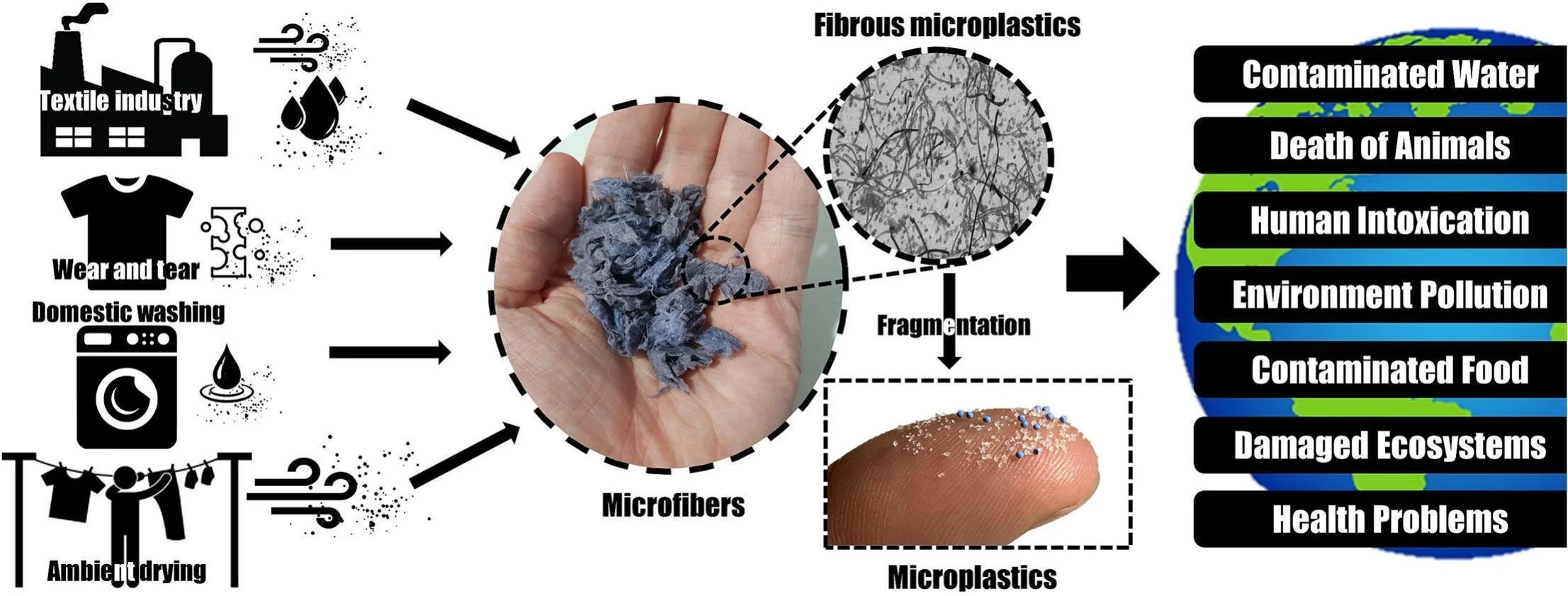
Synthetic textiles don’t return to the earth. They persist. They shed. They break down slowly into smaller and smaller pieces, but never fully leave.
So what we bring into our homes doesn’t just stay there. It continues on.
A different approach begins by taking notice.
Let’s ask some simple questions: What is this made of? Where did it come from? What happens to it over time?
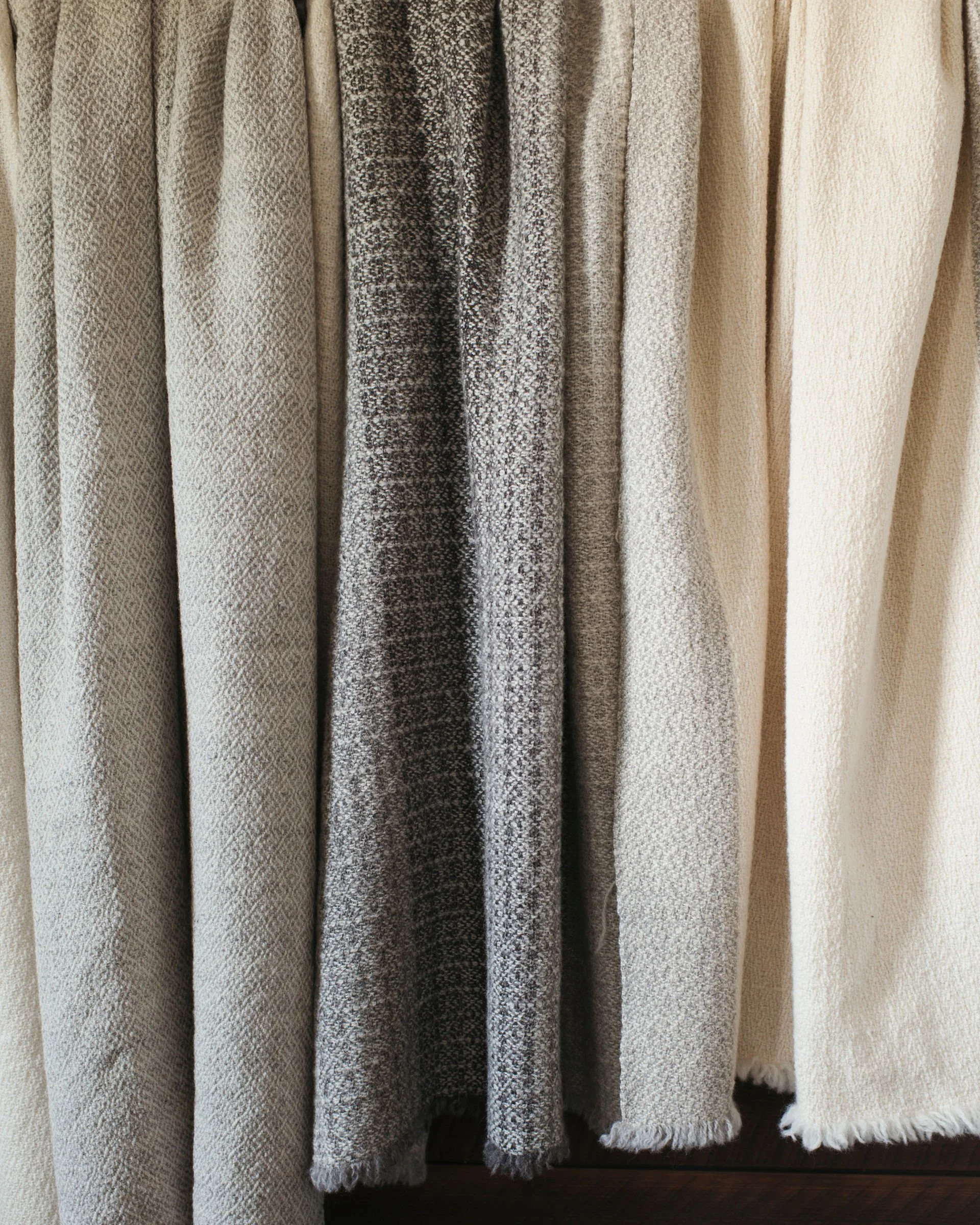
Natural fibers — wool, linen, cotton — offer a different path.
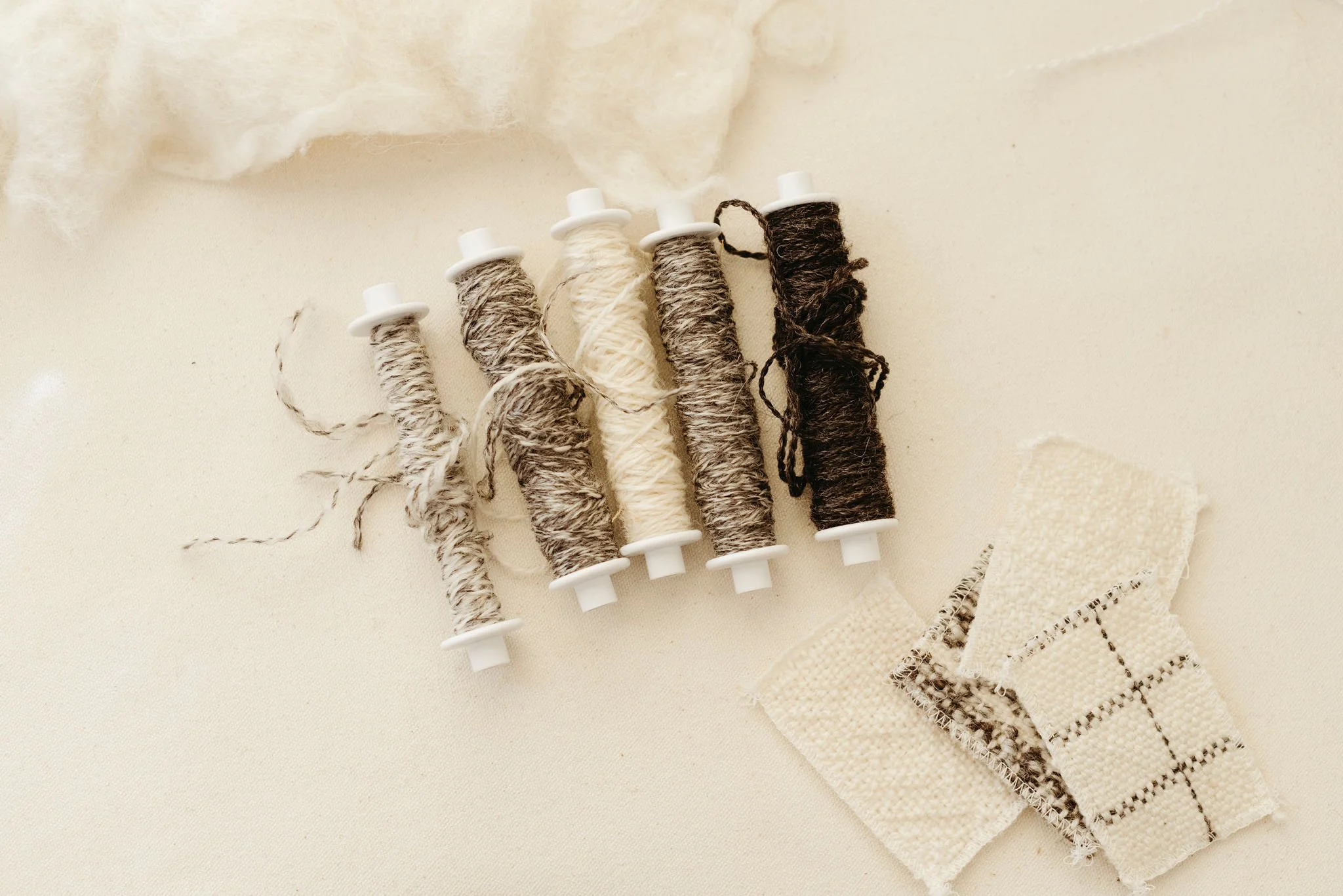
They are grown, not manufactured. They carry the conditions of the land they come from. They age, soften, and eventually return to the soil.
Wool, especially, is uniquely suited for the home.
It holds structure. It regulates temperature. It resists wear in a way that feels less like deterioration and more like settling in.
And importantly, it exists in abundance here.
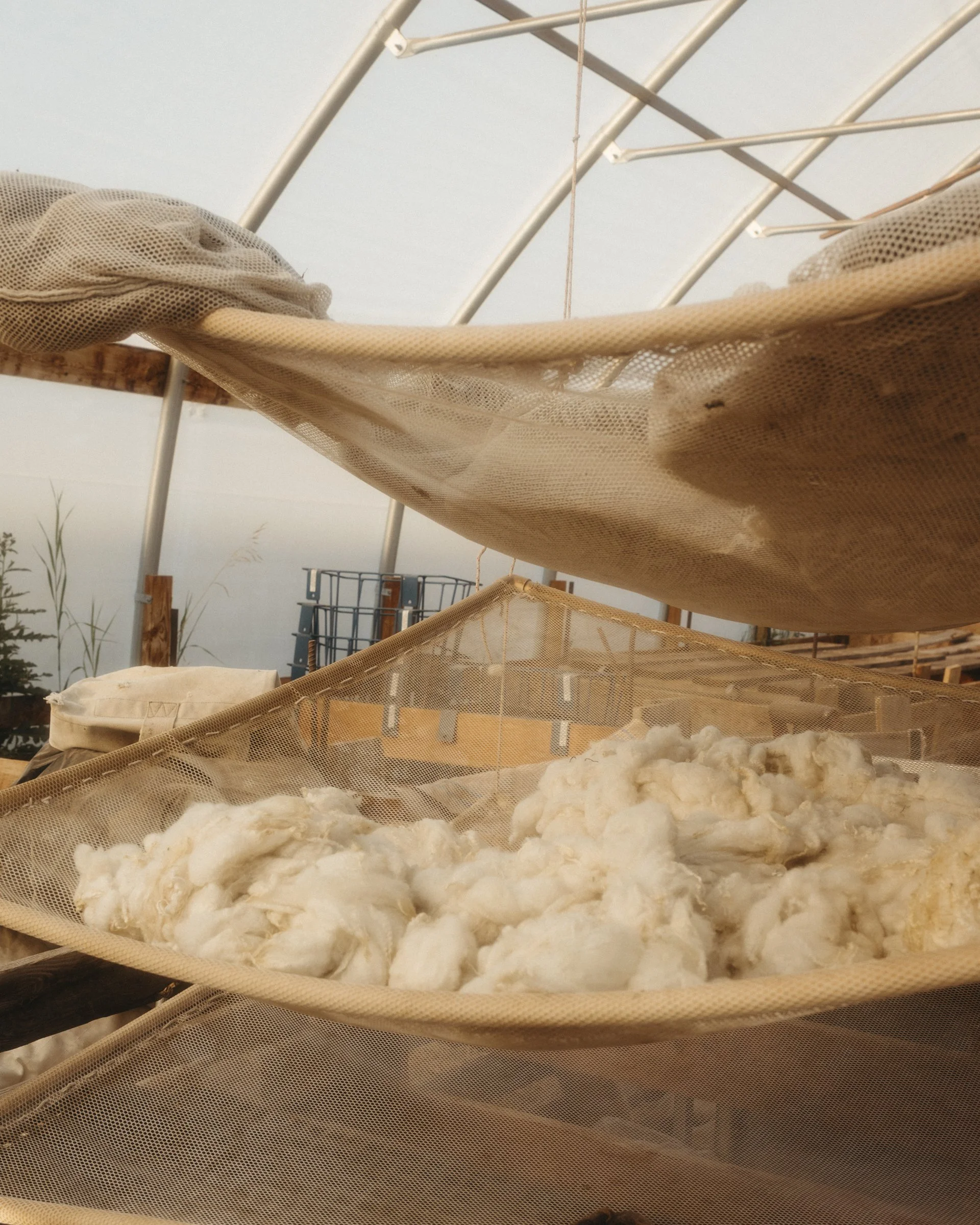
In Montana, wool is still being grown every year — often without a strong or stable market to receive it.
So the question isn’t whether the material exists. It’s whether we choose to use it.
Sustainability, when it comes to textiles, isn’t just about avoiding harm.
It’s about rebuilding connection.
Between land and material. Between material and maker. Between what we bring into our homes and how it lives with us over time.
It doesn’t require a complete overhaul. It can begin with something small.
One object. One decision. One shift in awareness. A pillow. A textile. Something you touch every day.
Not chosen because it’s labeled sustainable — but because it’s made from something real.
We don’t need more materials.
We need a new relationship to the ones we already have.